Articles
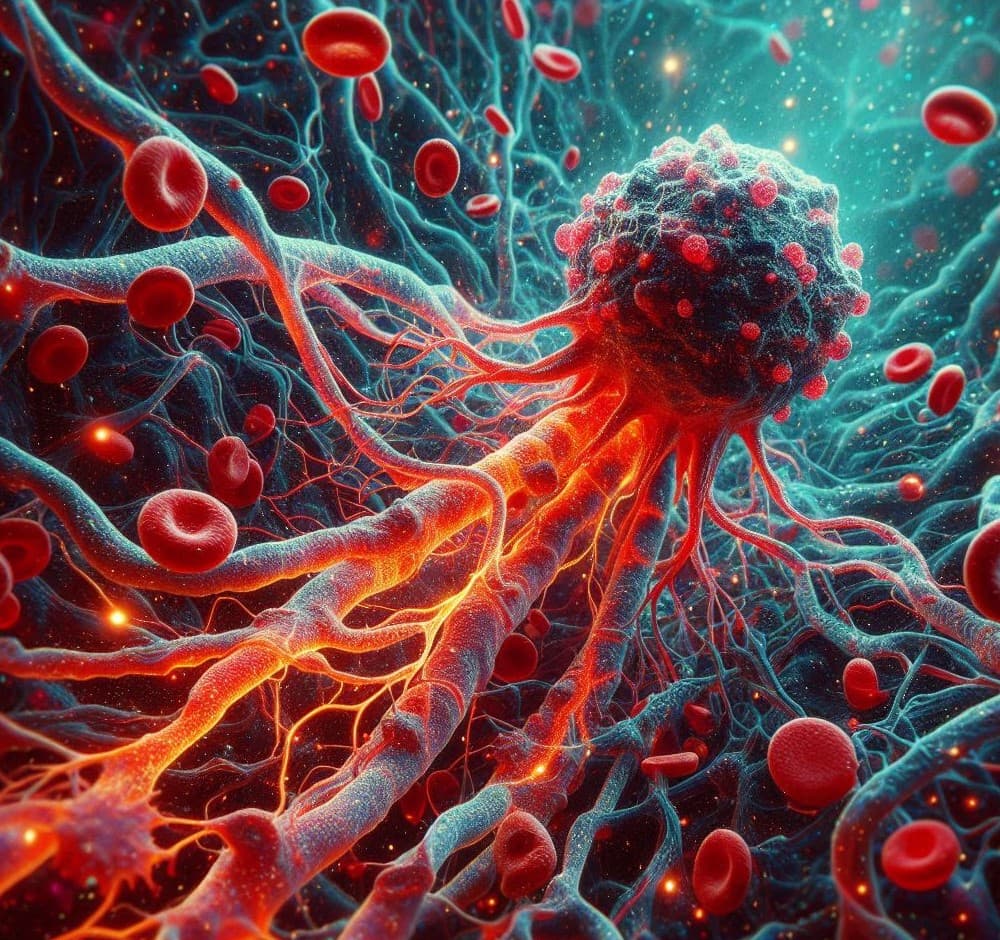
Embolization Of Tumors
Minimally invasive treatment method in which the blood vessels supplying the tumor are catheterized and blocked to cut off the blood supply to the tumor, causing the destruction of cancer cells.
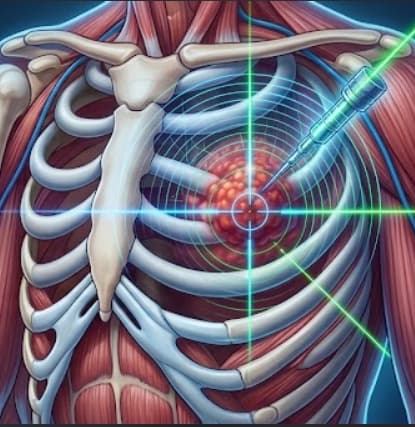
Ablation Of Tumors
Ablation of tumors is a minimally invasive treatment method used to destroy cancer cells using heat, cold, laser, or other energy sources. Below are the ablation indications.
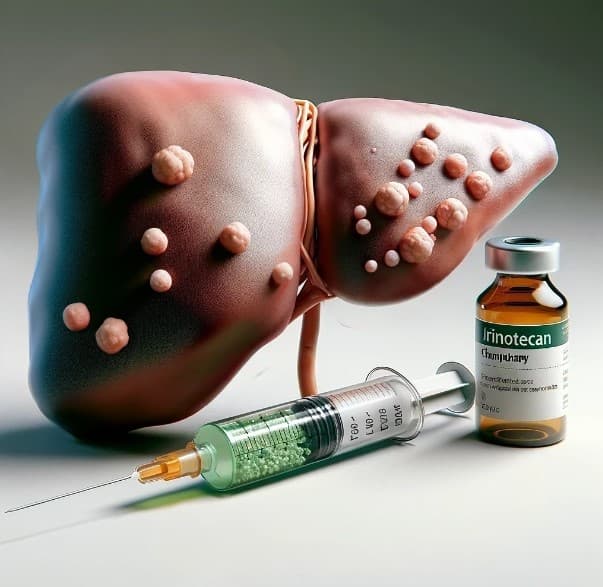
Irinotecan Chemoembolization
Minimally invasive treatment method used to treat liver metastases originating from colorectal cancer (CRC), involving metastases in both liver lobes.
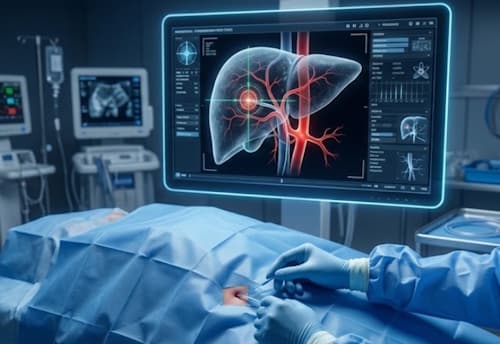
Hepatoma Chemoembolization
Treatment for primary liver tumors, especially hepatocellular carcinoma. This method combines delivering chemotherapy directly to the tumor and blocking its blood supply.
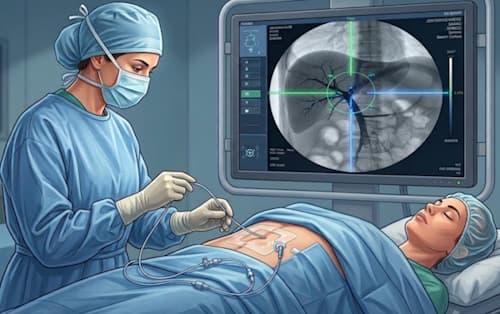
Portal Vein Embolization
The treatment known as Portal Vein Embolization (PVE) is a procedure performed to increase the volume and function of the liver to enable hepatic resection (Hepatectomy).
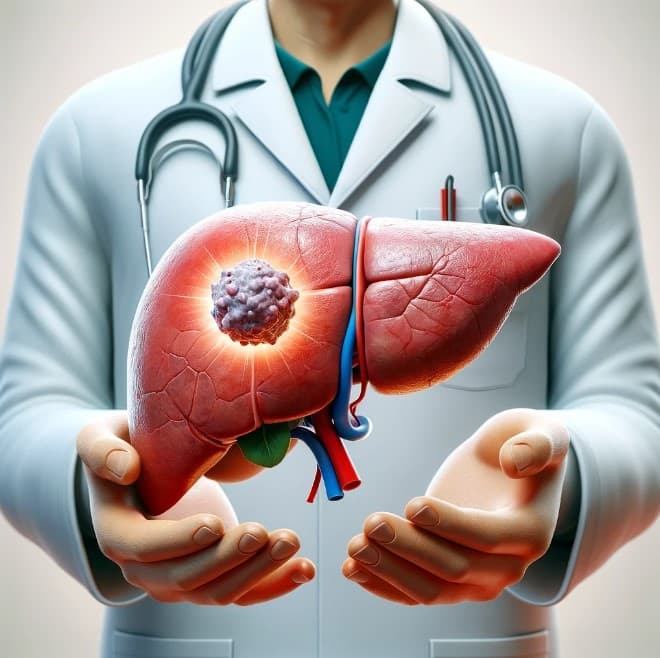
Radioembolization
Minimally invasive treatment focuses on delivering radiation directly into the tumor using tiny radioactive particles injected into the hepatic arteries supplying blood to the tumor.
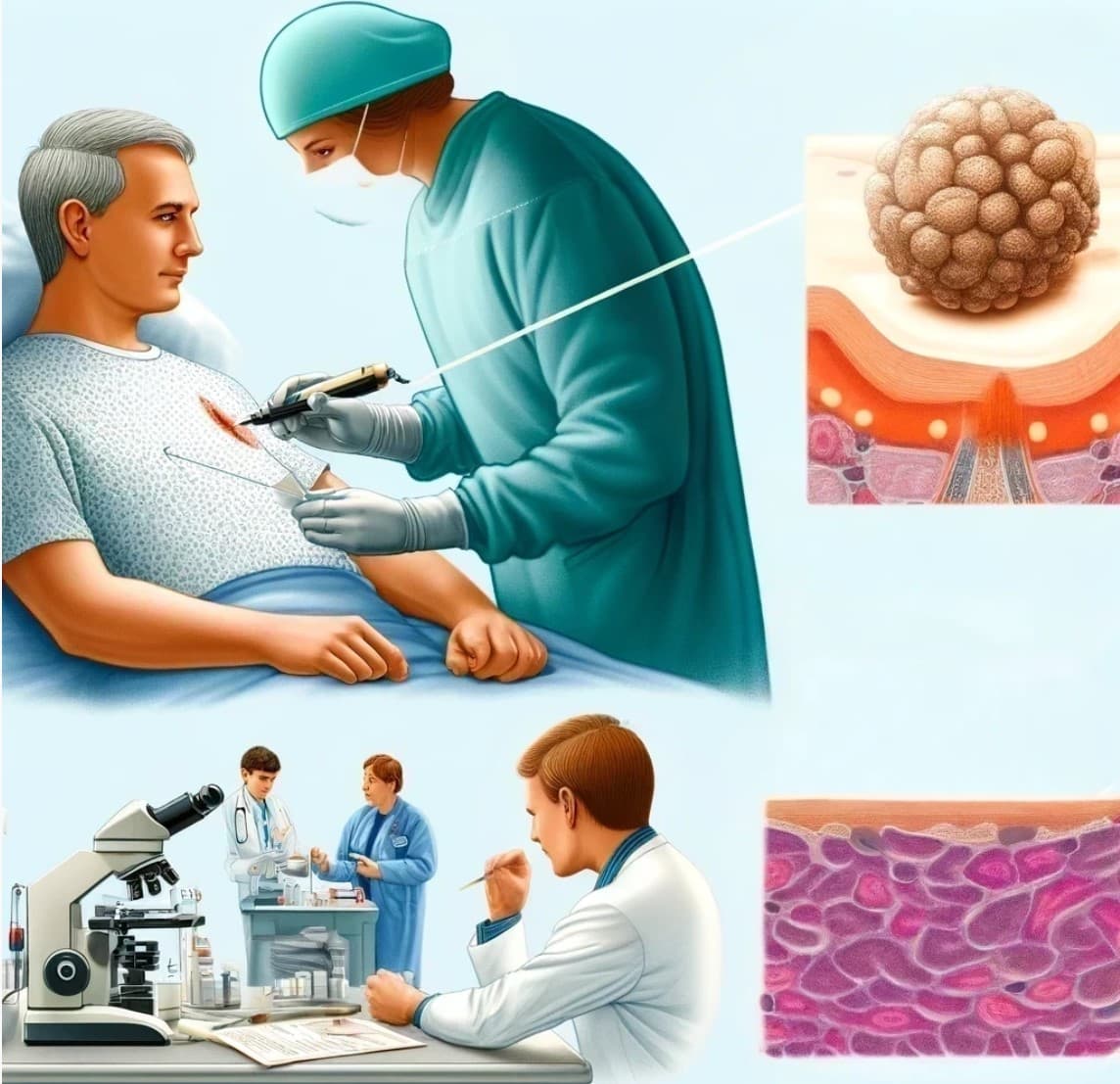
Biopsy
A biopsy is an important tool in cancer diagnosis and treatment, providing crucial information about the tumor. involves collecting a tissue sample from the tumor, to determine it's nature.

Pain Treatment
Pain treatment can include nerve blocks such as Trigeminal Nerve Block, Sphenopalatine Ganglion Block, Celiac Block, and Lumbar Sympathetic Block, or nerve ablation if the pain recurrence.
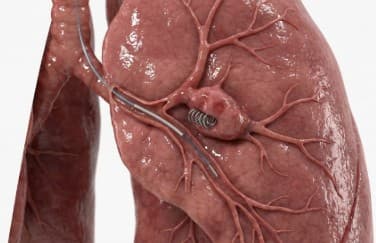
Embolization Malformations
A procedure treating abnormal blood vessels in the chest without open surgery, using advanced catheterization to prevent complications and improve blood oxygen levels and quality of life.
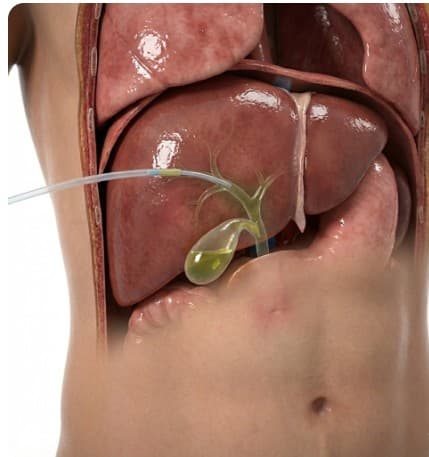
Biliary Drain Placement
A minimally invasive procedure to insert a catheter for draining blocked bile in the liver. helps reduce jaundice and prevent severe infections when bile cannot naturally drain.
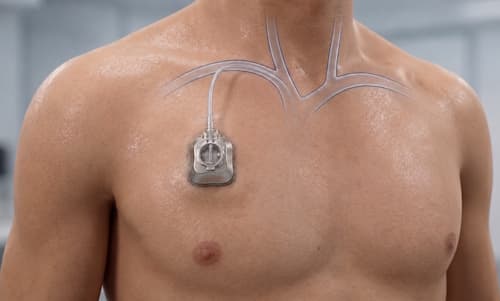
Chest Port Implantation
Install a small subcutaneous device in the chest, enabling long-term venous access for administering medications and chemotherapy, reducing the need for repeated needle sticks in the arms.
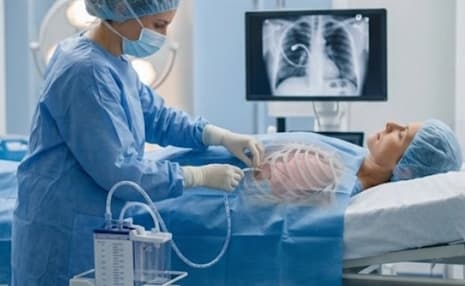
Chest Drain Insertion
Draining fluid or air accumulating around the lung, causing shortness of breath. This is usually performed under local anesthesia with image guidance for rapid and efficient relief.
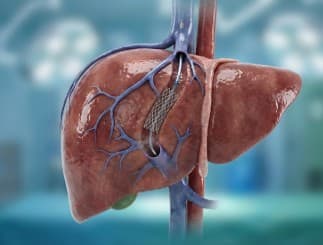
TIPS Procedure
Transjugular Intrahepatic Portosystemic Shunt (TIPS) is a minimally invasive solution for treating severe complications of liver cirrhosis, such as bleeding and ascites.
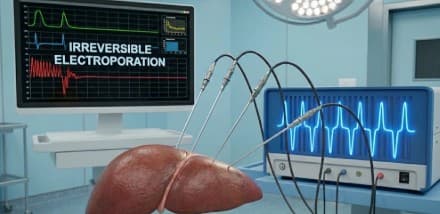
Chemoelectroporation
chemoelectroporation is an advanced technology using electrical pulses to destroy tumors while preserving blood vessels and bile ducts providing a safe and precise solution for complex cases.
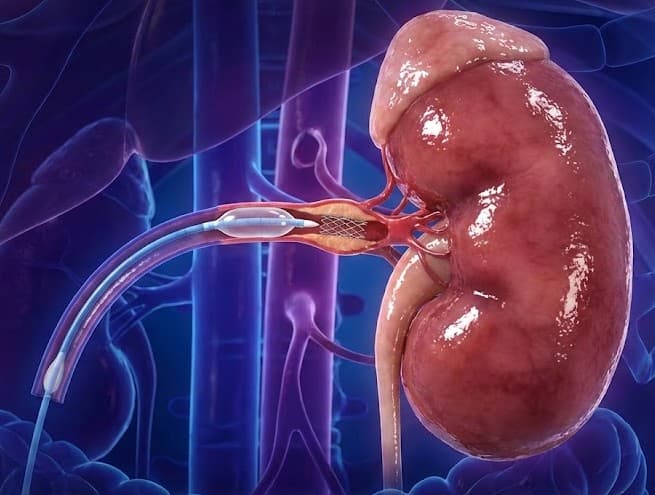
Renal Artery Dilatation
This is an advanced minimally invasive procedure that uses a balloon and stent to treat abdomen blood vessel blockages without open surgery, reducing recovery time and pain.
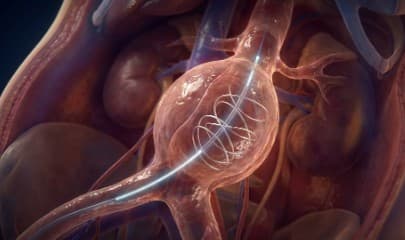
Abdominal Artery Aneurysms
procedure for closing abdominal artery aneurysms, which prevents life-threatening internal bleeding and enables exceptionally rapid recovery without complex open surgery.
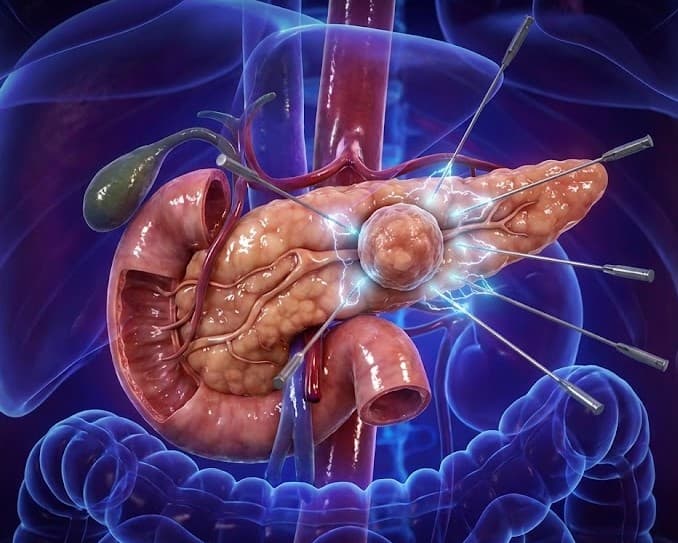
Electroporation For Abdominal
Reversible electroporation uses electrical currents to temporarily open pores in abdominal tumor cells, enhancing chemotherapy penetration to targetedly destroy the cancer.
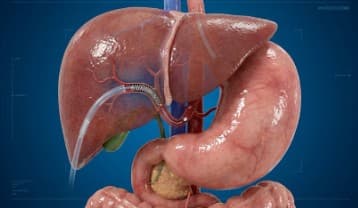
Abdominal Embolization
Minimally invasive procedure for blocking blood vessels, used to stop internal bleeding or cut off blood supply to tumors, performed via a catheter without the need for open surgery.
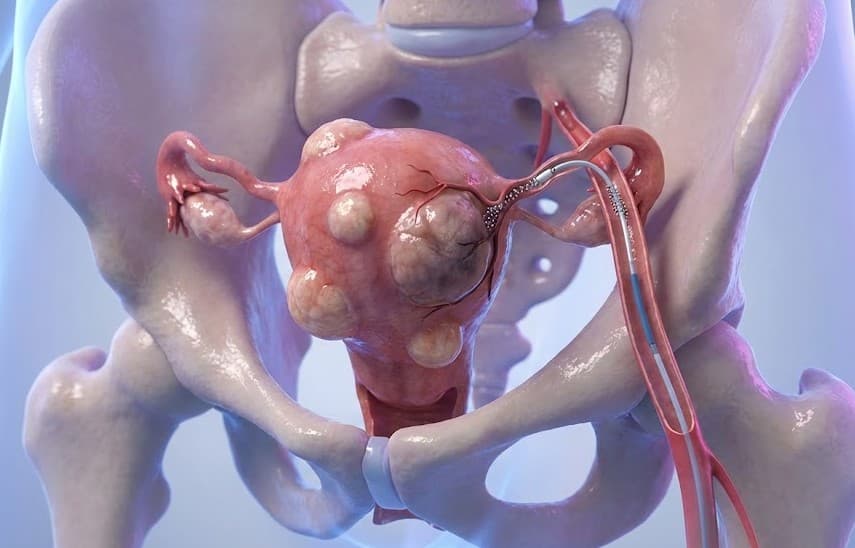
Uterine Fibroid Embolization
Treating fibroids without surgery. The action blocks blood supply to the fibroids, causing them to shrink and relieving symptoms like heavy bleeding and pain, while preserving the uterus.
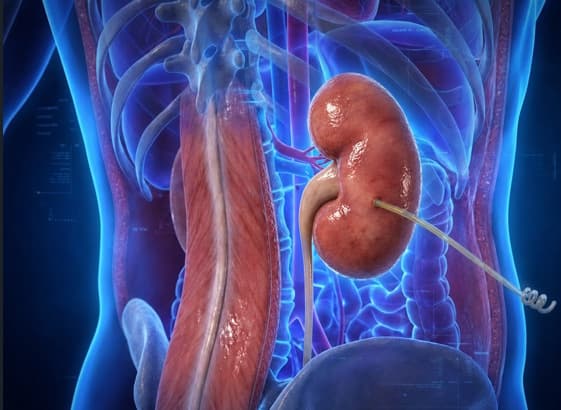
Percutaneous Nephrostomy
Image-guided procedure to insert a drainage tube directly into the kidney through the skin of the back, intended to treat acute urinary tract obstruction and prevent kidney damage.
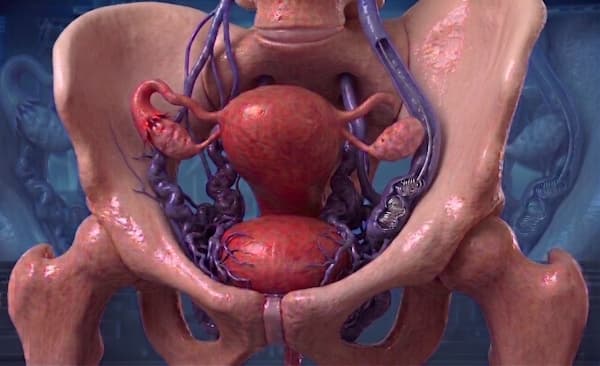
Pelvic Vein Embolization
Treating chronic pain stemming from varicose veins in the pelvis. Performed via catheterization to block the faulty veins, without surgery, significant pain relief and rapid return to routine.
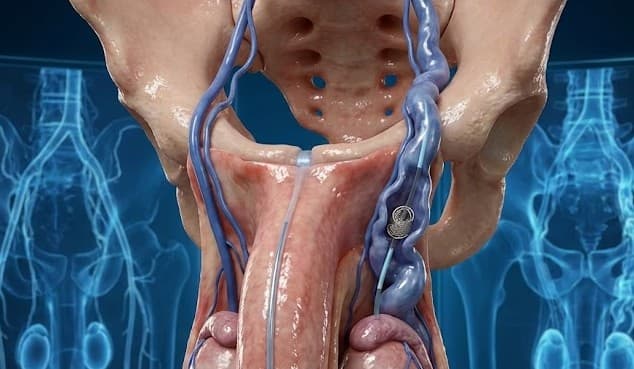
Varicocele Embolization
Treatment for varicocele (enlarged veins in the testicle), without surgery. Offers blockage of faulty veins, pain relief, and improved fertility with an exceptionally short recovery time.
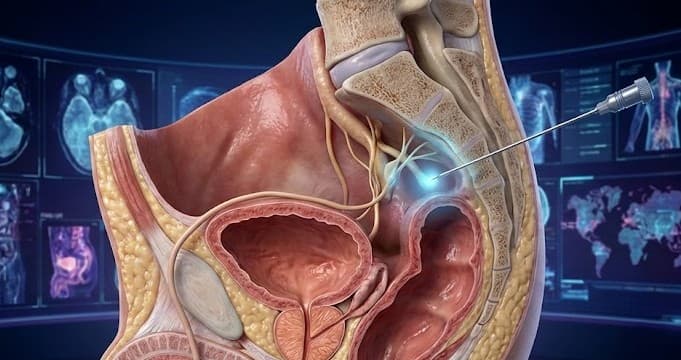
Pelvic Nerve Blocks
Image-guided procedure to relieve chronic pain. The physician precisely inserts a needle and injects agents that block pain signals from the nervous system in the pelvis to the brain.
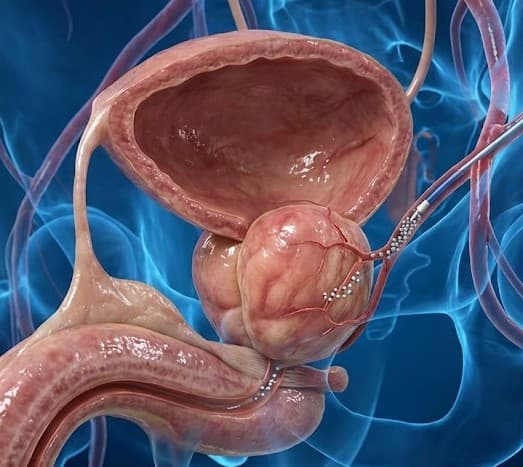
Prostate Artery Embolization
Treating an enlarged prostate without surgery. By blocking blood supply to the prostate, it shrinks and symptoms improve, while preserving sexual function and ensuring a short recovery.
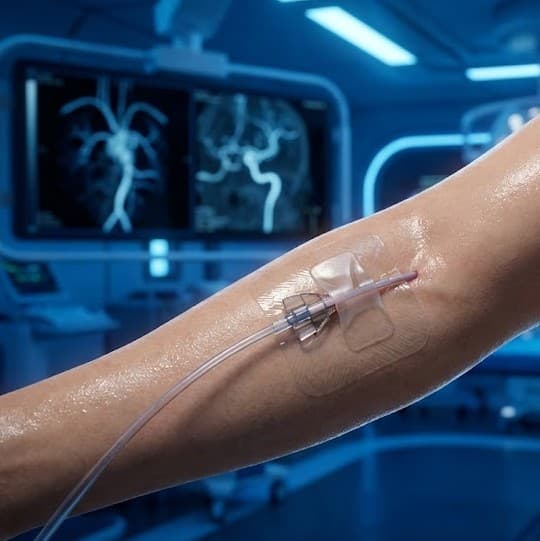
PICC Line Placement
Minimally invasive procedure inserting a long-term catheter through the arm to the heart. For patients needing prolonged intravenous therapy, saving repeated needle sticks.
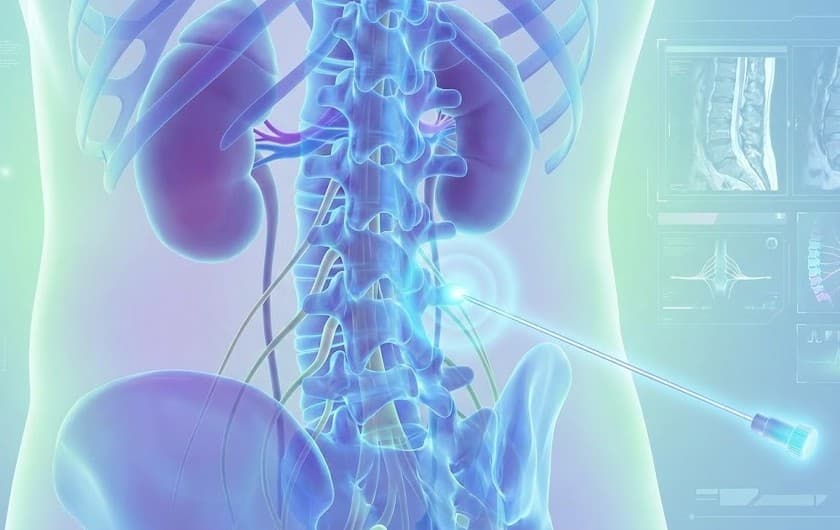
Lumbar Nerve Block
Image-guided procedure to interrupt chronic pain signals from the nervous system in the legs and pelvis, intended to relieve conditions like CRPS or blood flow issues.
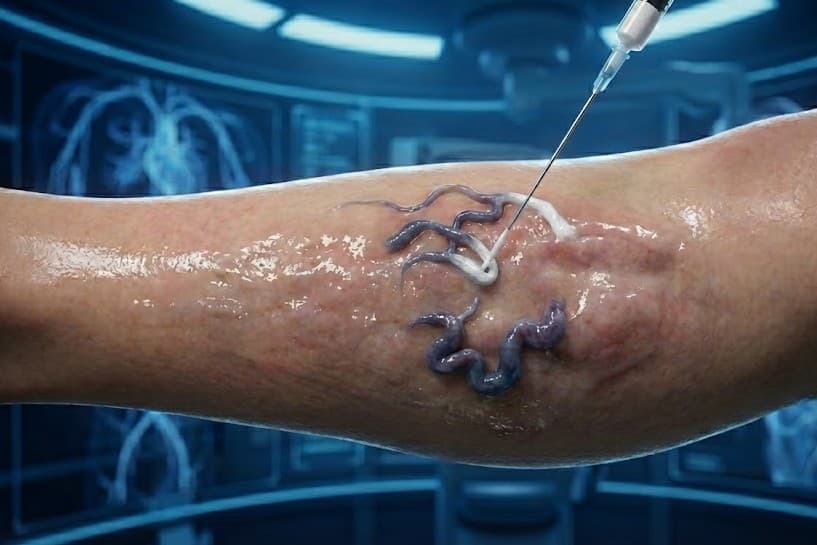
Vascular Malformation
Treatment for vascular malformation offers an effective solution for chronic pain and swelling. The procedure blocks the abnormal blood vessels, instead of open surgery.
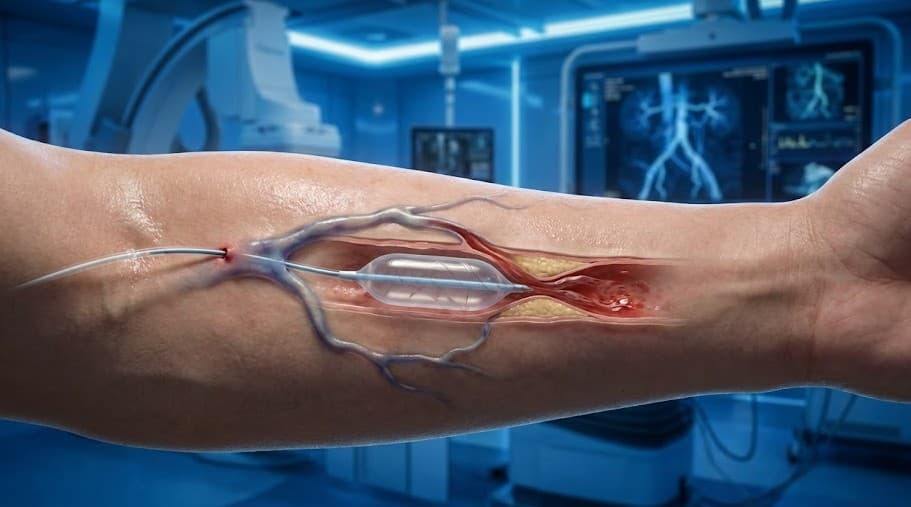
Dialysis Shunt Maintenance
Treatment to open blockages or narrowing in a dialysis shunt in the arm. Allows for the renewal of blood flow and the continuation of dialysis treatments quickly, instead of a new surgery.